


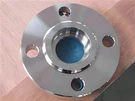
ASME B16.5 RTJ flanges play a crucial role in various industrial applications, especially in high-pressure and high-temperature environments. As a reliable ASME B16.5 RTJ flange supplier, I understand the significance of ensuring the quality of these flanges. In this blog post, I will share some key points on how to inspect the quality of ASME B16.5 RTJ flanges.
1. Visual Inspection
Visual inspection is the first and most basic step in assessing the quality of ASME B16.5 RTJ flanges. When you receive a batch of flanges, start by examining their overall appearance.
- Surface Finish: The surface of the flange should be smooth, free from cracks, scratches, and pits. Any visible defects on the surface can compromise the integrity of the flange and may lead to leakage or failure in service. For example, a deep scratch on the sealing surface can prevent a proper seal from forming between the flange and the gasket.
- Edge Condition: Check the edges of the flange for burrs, sharp edges, or unevenness. These imperfections can not only pose a safety hazard during installation but also affect the alignment and connection of the flange. A well - finished edge ensures a proper fit and reduces the risk of damage to the gasket.
- Markings: ASME B16.5 RTJ flanges should have clear and accurate markings. These markings typically include the flange size, pressure rating, material grade, and the manufacturer's logo. Verify that the markings are legible and in accordance with the ASME B16.5 standard. Incorrect or missing markings can lead to confusion during installation and may indicate a sub - standard product. You can learn more about ASME B16.5 RTJ flanges from our website.
2. Dimensional Inspection
Accurate dimensions are essential for the proper functioning of ASME B16.5 RTJ flanges. Use appropriate measuring tools such as calipers, micrometers, and gauges to check the following dimensions:
- Outside Diameter (OD): Measure the outside diameter of the flange at multiple points to ensure it is within the specified tolerance range. Deviations in the OD can affect the flange's compatibility with other components in the piping system.
- Bolt Hole Diameter and Pitch Circle Diameter (PCD): Check the diameter of the bolt holes and the PCD. The bolt holes should be of the correct size to accommodate the bolts, and the PCD should be accurate to ensure proper alignment and tightening of the bolts. Incorrect bolt hole dimensions can lead to improper fastening and potential leakage.
- Thickness: Measure the thickness of the flange at different locations. The thickness should meet the requirements of the ASME B16.5 standard for the specific flange size and pressure rating. Insufficient thickness can result in reduced strength and may cause the flange to fail under pressure.
- Ring Joint Groove Dimensions: For RTJ flanges, the ring joint groove dimensions are critical. Measure the width, depth, and radius of the groove to ensure they are in compliance with the standard. A properly sized ring joint groove is necessary for a tight seal with the ring gasket.
3. Material Inspection
The material used in ASME B16.5 RTJ flanges directly affects their performance and durability. Here are some ways to inspect the material:


- Material Certification: Request material certification from the manufacturer. This certification should include information about the chemical composition, mechanical properties, and heat treatment of the material. Verify that the material meets the requirements of the ASME B16.5 standard. For example, if the flange is specified to be made of carbon steel, the certification should confirm that the carbon content and other alloying elements are within the acceptable range.
- Hardness Testing: Conduct hardness testing on the flange material. This can be done using a hardness tester. The hardness of the material should be consistent with the specified material grade. An abnormal hardness value may indicate improper heat treatment or a sub - standard material.
- Non - Destructive Testing (NDT): NDT methods such as ultrasonic testing (UT), magnetic particle testing (MT), and liquid penetrant testing (PT) can be used to detect internal defects in the flange material. UT is effective in detecting internal flaws such as cracks and inclusions, while MT and PT are useful for detecting surface - breaking defects.
4. Pressure Testing
Pressure testing is a crucial step to ensure the integrity and leakage - tightness of ASME B16.5 RTJ flanges. There are two common types of pressure tests:
- Hydrostatic Testing: In hydrostatic testing, the flange is filled with water and subjected to a specified pressure for a certain period. This test helps to identify any leaks or weaknesses in the flange under pressure. The test pressure and duration are determined by the ASME B16.5 standard based on the flange size and pressure rating.
- Pneumatic Testing: Pneumatic testing uses air or another gas instead of water. It is often used when water cannot be used due to the nature of the piping system or the process fluid. However, pneumatic testing is more dangerous than hydrostatic testing because of the potential for a sudden release of energy in case of a failure. Therefore, strict safety precautions must be taken during pneumatic testing.
5. Comparison with Similar Products
Comparing the ASME B16.5 RTJ flanges with similar products from other reliable sources can provide additional insights into their quality. Look at factors such as the price, performance, and reputation of the products. If a particular flange seems significantly cheaper than others on the market, it may be a sign of lower quality. However, it is important to note that price is not the only indicator of quality, and a more expensive product is not always better.
In addition to ASME B16.5 RTJ flanges, we also offer RF Flange NPS 1/2~NPS24 and RF Flange NPS 26~NPS60 flanges. These products are also manufactured to the highest standards and undergo strict quality inspections.
As a professional ASME B16.5 RTJ flange supplier, we are committed to providing high - quality products and excellent customer service. If you are in the market for ASME B16.5 RTJ flanges or other types of flanges, we invite you to contact us for more information and to discuss your procurement needs. We can offer customized solutions to meet your specific requirements.
References
- ASME B16.5 Standard, "Pipe Flanges and Flanged Fittings: NPS 1/2 through NPS 24 Metric/Inch Standard"
- Various industry - related handbooks and technical papers on flange manufacturing and quality control.