


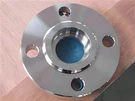
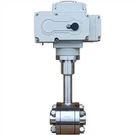
Installing a Double Isolation and Bleed (DIB) Ball Valve correctly is crucial for ensuring optimal performance, safety, and longevity in various industrial applications. As a trusted DIB Ball Valve supplier, we understand the significance of proper installation procedures. In this blog post, we will guide you through the step-by-step process of installing a DIB Ball Valve correctly, covering everything from preparation to final testing.
Pre-Installation Preparation
Before you begin the installation process, it's essential to conduct thorough preparations to ensure a smooth and successful installation. Here are the key steps to follow:
1. Review the Valve Specifications
Carefully review the valve specifications provided by the manufacturer to ensure that the DIB Ball Valve is suitable for your specific application. Pay attention to factors such as pressure rating, temperature range, material compatibility, and end connections.
2. Inspect the Valve
Inspect the DIB Ball Valve for any visible damage or defects before installation. Check the valve body, ball, stem, seals, and other components for signs of scratches, dents, or corrosion. If any issues are detected, contact the supplier immediately for replacement or repair.
3. Gather the Necessary Tools and Equipment
Collect all the tools and equipment required for the installation process. This may include wrenches, screwdrivers, gaskets, sealants, lifting equipment, and safety gear such as gloves and goggles.
4. Prepare the Installation Site
Ensure that the installation site is clean, dry, and free from any debris or obstructions. The site should also have sufficient space to accommodate the valve and allow for easy access during installation and maintenance.
5. Mark the Pipe and Valve Positions
Mark the positions of the pipe and valve on the installation site to ensure accurate alignment during installation. Use a measuring tape and a marker to make precise markings.
Installation Steps
Once you have completed the pre-installation preparations, you can proceed with the installation process. Follow these steps to install the DIB Ball Valve correctly:
1. Mount the Valve on the Pipe
Carefully lift the DIB Ball Valve and position it on the pipe according to the markings made earlier. Ensure that the valve is aligned correctly with the pipe and that the end connections are properly matched.
2. Connect the Valve to the Pipe
Use the appropriate tools to connect the valve to the pipe. Depending on the type of end connections, this may involve bolting, welding, or threading. Follow the manufacturer's instructions and torque specifications to ensure a secure and leak-free connection.
3. Install the Gaskets and Sealants
Place gaskets between the valve and the pipe flanges to create a tight seal. Apply a suitable sealant to the gaskets to prevent leakage. Make sure the gaskets are properly aligned and seated before tightening the bolts.
4. Tighten the Bolts
Use a torque wrench to tighten the bolts evenly and gradually to the specified torque value. Over-tightening the bolts can damage the valve or cause leakage, while under-tightening can result in a loose connection.
5. Check the Valve Operation
Before completing the installation, check the operation of the DIB Ball Valve to ensure that it opens and closes smoothly. Turn the valve handle or actuator to the open and closed positions several times to verify proper functionality.
6. Install the Actuator (if applicable)
If the DIB Ball Valve is equipped with an actuator, follow the manufacturer's instructions to install and connect the actuator to the valve. Make sure the actuator is properly aligned and secured to the valve stem.
7. Connect the Piping and Instrumentation
Connect the piping and instrumentation to the valve as required by your system. This may include connecting pressure gauges, temperature sensors, and other monitoring devices.
8. Perform a Leak Test
Once the installation is complete, perform a leak test to check for any leaks in the valve and the connected piping. Use a suitable leak detection method, such as a pressure test or a soap bubble test, to identify and repair any leaks.
Post-Installation Considerations
After the installation and leak test are completed, there are several post-installation considerations to keep in mind:
1. Clean the Installation Site
Remove any tools, equipment, and debris from the installation site to keep it clean and safe.
2. Document the Installation
Keep a record of the installation process, including the date, time, and details of the installation. This documentation can be useful for future reference and maintenance.
3. Train the Operators
Provide training to the operators on how to operate and maintain the DIB Ball Valve correctly. Make sure they are familiar with the valve's features, functions, and safety procedures.
4. Schedule Regular Maintenance
Establish a regular maintenance schedule for the DIB Ball Valve to ensure its continued performance and reliability. This may include inspections, lubrication, and replacement of worn or damaged components.
Conclusion
Installing a DIB Ball Valve correctly is essential for ensuring its optimal performance, safety, and longevity. By following the steps outlined in this blog post and adhering to the manufacturer's instructions, you can install the valve with confidence and minimize the risk of leaks, malfunctions, and other issues.
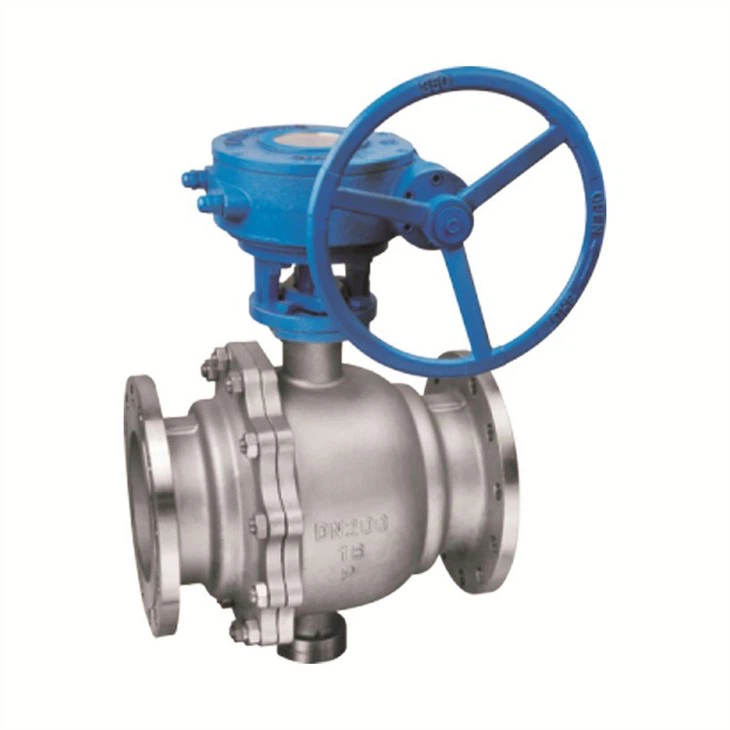

If you have any questions or need further assistance with the installation of a DIB Ball Valve, please do not hesitate to contact us. As a leading DIB Ball Valve supplier, we are committed to providing our customers with high-quality products and expert support. Whether you are looking for a DBB Ball Valve or a Cast Trunnion Ball Valve, we have the right solution for your needs. Contact us today to discuss your requirements and explore our range of products.
References
- Manufacturer's Installation Manuals
- Industry Standards and Guidelines for Valve Installation