


Selecting the right DIN globe valve for a specific process can be a bit of a head-scratcher, but don't worry, I'm here to help. As a DIN globe valve supplier, I've seen it all and have got the know-how to guide you through this process.
First off, let's talk about what a DIN globe valve is. DIN stands for Deutsches Institut für Normung, which is the German Institute for Standardization. DIN globe valves are designed according to these German standards, which ensure a high level of quality and compatibility. They're widely used in various industries because of their reliable performance and precise control capabilities.
One of the first things you need to consider when selecting a DIN globe valve is the process conditions. This includes factors like the type of fluid or gas that will be flowing through the valve. Is it a corrosive substance, a high - temperature fluid, or a viscous liquid? For example, if you're dealing with a corrosive chemical, you'll need a valve made from a material that can withstand the corrosion. Stainless steel is a popular choice in such cases as it offers good resistance to many corrosive agents.
The pressure and temperature of the process are also crucial. High - pressure applications require valves that are designed to handle the stress. A valve that's not rated for the pressure in your system can lead to leaks or even catastrophic failures. Similarly, high - temperature processes need valves with materials that can maintain their integrity at elevated temperatures.
Another important aspect is the flow rate. You need to know how much fluid or gas will be passing through the valve per unit of time. The size of the valve is directly related to the flow rate. A valve that's too small will restrict the flow, causing a drop in pressure and potentially affecting the efficiency of your process. On the other hand, a valve that's too large can be more expensive and may not provide the precise control you need.
Now, let's take a look at some of the different types of DIN globe valves available. There's the Forge Flange Globe Valve. These valves are known for their strong and durable flanges, which are forged to provide a tight and reliable connection. They're great for applications where a secure seal is essential, especially in high - pressure systems.
The Globe Valve is a more general - purpose option. It offers good flow control and can be used in a wide range of applications. The design of the globe valve allows for precise regulation of the flow, making it suitable for processes where accurate control is required.
If you're dealing with applications where leakage prevention is of utmost importance, then the Bellow Seal Globe Valve might be the right choice for you. The bellow seal provides an extra layer of protection against leaks, making it ideal for handling toxic or hazardous substances.
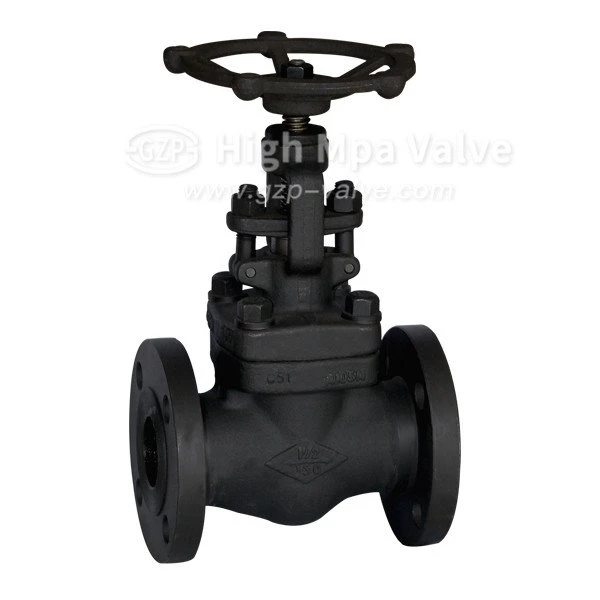

The end connection type is also something to think about. DIN globe valves can come with different end connections such as flanged, threaded, or welded. Flanged connections are easy to install and remove, which is great for maintenance. Threaded connections are simple and cost - effective, but they may not be suitable for high - pressure applications. Welded connections provide a permanent and leak - tight seal, but they're more difficult to install and replace.
The actuation method of the valve is another consideration. You can have manual valves, which are operated by hand using a wheel or a lever. These are simple and inexpensive, but they're not suitable for applications where remote or automated control is required. Electric, pneumatic, or hydraulic actuators can be used to automate the operation of the valve. Electric actuators are easy to control and can be integrated into a control system. Pneumatic actuators are fast - acting and are often used in industrial applications. Hydraulic actuators are powerful and can handle high - torque requirements.
When it comes to the internal parts of the valve, the seat and disc are important components. The seat is the surface against which the disc seals to stop the flow. The material of the seat and disc should be chosen based on the process conditions. For example, if you're dealing with abrasive fluids, you'll need a seat and disc made from a hard - wearing material like ceramic.
In addition to all these technical aspects, you also need to think about the quality and reputation of the valve supplier. As a DIN globe valve supplier, I understand the importance of providing high - quality products. We test our valves rigorously to ensure they meet the required standards and perform well in real - world applications.
So, how do you go about making the final decision? It's a good idea to consult with a professional. You can provide them with all the details of your process, including the fluid type, pressure, temperature, flow rate, etc. They can then recommend the most suitable DIN globe valve for your needs.
If you're still unsure or have any questions, don't hesitate to reach out. We're here to help you select the right valve for your specific process. Whether you're in the chemical industry, the power generation sector, or any other field that requires reliable flow control, we have the expertise and the products to meet your needs. Contact us today to start the conversation about your DIN globe valve requirements and let's work together to find the perfect solution for your process.
References
- Valve Handbook, 4th Edition by J. S. Tuzson
- Industrial Valves: A Guide to Selection and Specification by R. K. Sinha