



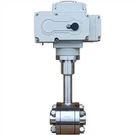

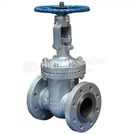

Hey there! As a supplier of forged valves, I've seen firsthand how the valve size can have a huge impact on the performance of these essential components. In this blog post, I'm gonna break down all the ways valve size matters and why it's crucial to get it right.
Let's start with the basics. Forged valves are made by shaping metal under high pressure and temperature, which gives them excellent strength and durability. They're used in a wide range of industries, from oil and gas to power generation, and they play a vital role in controlling the flow of fluids and gases.
One of the most obvious ways valve size affects performance is in terms of flow capacity. Simply put, a larger valve can handle a greater volume of fluid or gas than a smaller one. This is important because if you choose a valve that's too small for your application, it can lead to restricted flow, which can cause a whole host of problems. For example, in a pipeline, restricted flow can increase pressure, which can damage the pipeline or other equipment downstream. On the other hand, if you choose a valve that's too large, it can be more expensive and may not operate as efficiently as a properly sized valve.
Another factor to consider is the pressure drop across the valve. Pressure drop is the difference in pressure between the inlet and outlet of the valve, and it's caused by the resistance to flow within the valve. A larger valve generally has a lower pressure drop than a smaller one because there's more space for the fluid or gas to flow through. This means that less energy is required to move the fluid or gas through the valve, which can result in cost savings over time. However, it's important to note that pressure drop also depends on other factors, such as the valve design and the type of fluid or gas being used.
The valve size can also affect the valve's response time. Response time is the time it takes for the valve to open or close in response to a control signal. A smaller valve typically has a faster response time than a larger one because there's less mass to move. This can be important in applications where quick changes in flow are required, such as in a control system. However, in some cases, a slower response time may be desirable, such as in applications where a gradual change in flow is needed to prevent damage to the system.
In addition to these performance factors, valve size can also have an impact on the valve's installation and maintenance. A larger valve may require more space for installation and may be heavier and more difficult to handle. This can increase the cost and complexity of the installation process. Similarly, a larger valve may require more maintenance and may be more expensive to repair or replace if it fails.
So, how do you choose the right valve size for your application? Well, it's not always easy, but there are a few key steps you can take. First, you need to determine the flow rate and pressure requirements of your system. This will help you narrow down the range of valve sizes that are suitable for your application. You also need to consider the type of fluid or gas being used, as well as the operating conditions, such as temperature and pressure.
Once you've determined the basic requirements of your system, you can consult with a valve expert or supplier. They can help you select the right valve size and type based on your specific needs. They can also provide you with information on the different valve designs and materials available, as well as the pros and cons of each.


At our company, we offer a wide range of forged valves in different sizes and designs to meet the needs of our customers. Whether you're looking for Forged Steel Check Valves, 2 PCS Forged Steel Ball Valve, or Y Type Globe Valves, we've got you covered. Our team of experts can help you select the right valve for your application and provide you with the support and service you need to ensure its proper installation and operation.
If you're in the market for forged valves, I encourage you to get in touch with us. We'd be happy to discuss your needs and provide you with a quote. We're committed to providing our customers with high-quality products and excellent customer service, and we're confident that we can help you find the right valve for your application.
In conclusion, valve size plays a crucial role in the performance of forged valves. It affects flow capacity, pressure drop, response time, and installation and maintenance requirements. Choosing the right valve size is essential to ensure the efficient and reliable operation of your system. If you have any questions or need help selecting the right valve for your application, don't hesitate to contact us. We're here to help!
References
- ASME B16.34 - Valves - Flanged, Threaded, and Welded End
- API 6D - Pipeline Valves - Specification for Pipeline Valves
- ISO 5208 - Industrial Valves - Pressure Testing of Valves